
Science Says House Music Might Make You Younger… But Let’s Fact-Check That
You’ve probably seen posts like this by now: “Listening to house music at 120–130 BPM can make you younger.”
It’s catchy. It’s shareable. And honestly… it’s something DJs have been joking about for years.
But how true is it?
At Fog City Entertainment, we live at the intersection of music and experience. And with DJ Ashley bringing both 20+ years of DJ expertise and a Stanford science background, we’re taking a closer look at what’s real, what’s hype, and what actually matters for your event.
What the Viral Claim Says
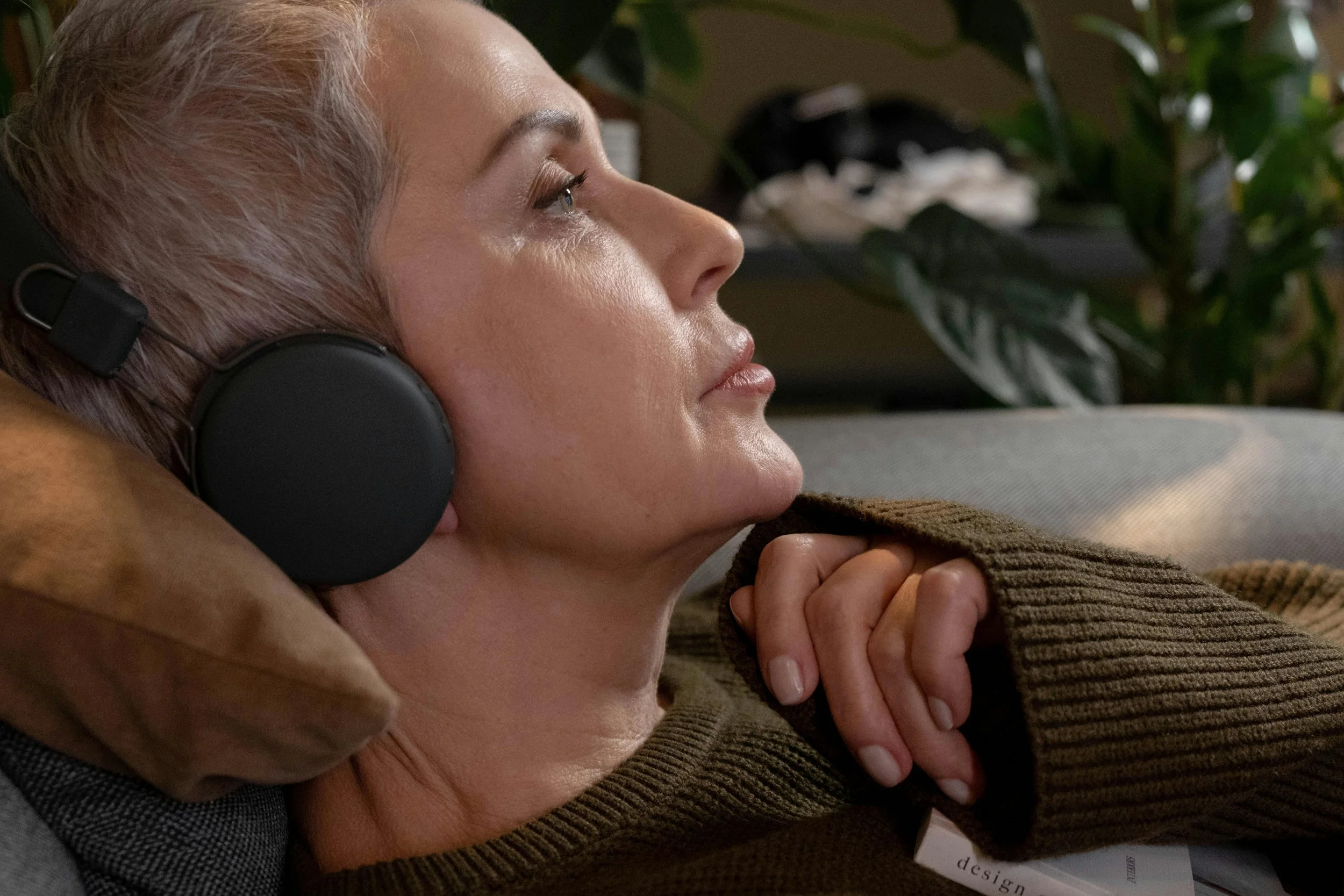
Woman relaxes while listening to music, reflecting emotional connection through sound
The claim making rounds online suggests that listening to house music (120–130 BPM) can:
Reduce cortisol (stress hormone) by ~20%
Improve brain function
“Slow aging by up to six years”
Sounds incredible, right?
There’s just one problem…
There’s no accessible peer-reviewed study backing those exact claims.
Many of these statements trace back to repeated social posts and blog summaries that reference a large study—but without linking to a peer-reviewed journal, DOI, or verifiable dataset.
What Science Actually Supports About House Music Benefits

Woman enjoys music with headphones, representing curated playlists and personal music taste
Now here’s where things get interesting.
There is legitimate research showing that music—across many genres—can positively impact the body.
Studies have shown that music can:
Reduce stress and anxiety
Lower cortisol levels
Improve mood regulation
Encourage physical movement
In fact, cortisol is one of the most commonly studied biomarkers in music research, and many studies show music can help regulate it.
And since stress plays a role in overall health and aging, this connection is biologically plausible.
So yes, there are real house music benefits—just not in the exaggerated way social media suggests.
Why 120–130 BPM Feels So Good

Close-up of DJ hands mixing tracks on a controller, highlighting live music performance
The 120–130 BPM range isn’t random.
It closely matches the rhythm of moderate physical activity—think walking, light cardio, or dancing.
That’s why house music:
Feels natural to move to
Keeps energy up without overwhelming the body
Works across different age groups and dance styles
From a DJ perspective, this is the sweet spot for a packed dance floor.
From a physiological perspective, it’s a tempo that encourages sustained movement—which contributes to those positive mood and stress effects.
Where the Claim Falls Apart

Close-up of hands typing on a laptop symbolizing research
Here’s what’s missing from the viral “anti-aging” claim:
No published study or peer-reviewed paper
No details on who the 35,000 participants were
No explanation of study design (long-term vs snapshot)
No statistical data (p-values, confidence intervals)
No clarity on how “biological age” was measured
Without this information, it’s impossible to verify whether the results are meaningful—or even accurate.
In science, bold claims require transparent data. And right now, that data simply isn’t available.
Correlation vs. Causation (Why This Matters)
A woman in front of a mirror, adding final touches before the celebration
Even if people who listen to house music show lower stress levels, that doesn’t mean House music causes slower aging.
It could also mean:
They’re more active
They socialize more
They attend events and move their bodies regularly
All of which contribute to well-being.
So while the connection is interesting, it’s not proof of a direct anti-aging effect.
What This Means for Your Event

Guest dances with a child at a wedding reception, capturing a joyful, multi-generational moment
Here’s the part that does matter.
A great dance floor experience:
Gets people moving
Reduces stress
Creates emotional connection
Brings generations together
Whether it’s grandma dancing to a throwback or your friends singing at the top of their lungs—those moments are real.
And they’re exactly what we design every event around.
Because at the end of the day, it’s not about whether music makes you younger…
It’s about how it makes you feel.
The Fog City Take
House music isn’t a miracle anti-aging treatment.
But it is:
A proven way to elevate mood
A natural driver of movement
And one of the most effective tools for creating unforgettable event energy
And when done right, it transforms your event into something people don’t just attend…
They experience.
If you want a dance floor that keeps your guests energized, engaged, and fully in the moment…
Ready to design your perfect event experience?